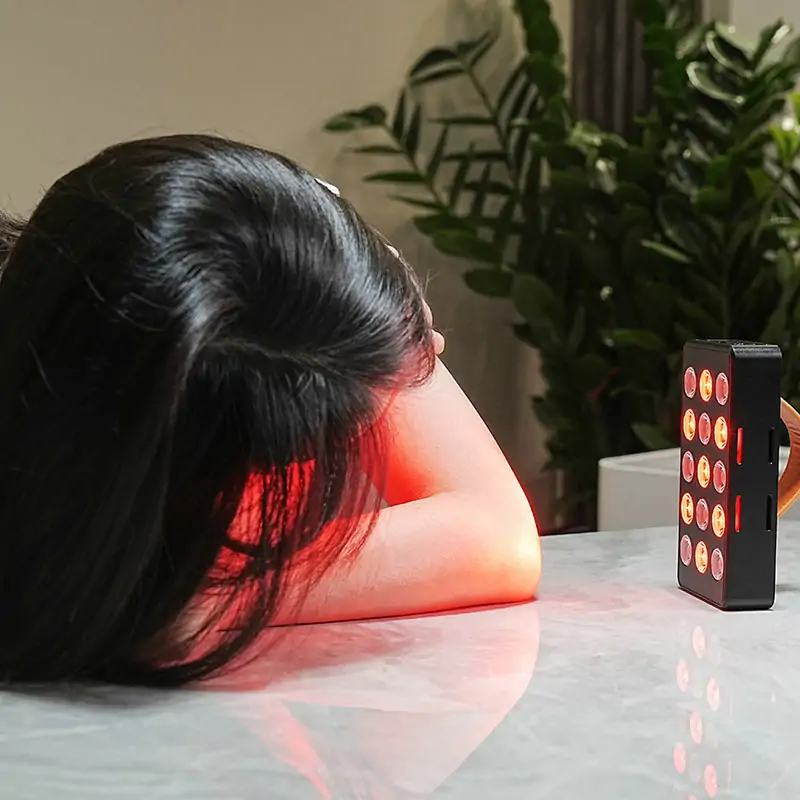
INTRODUCTION
Chronic pain is a pervasive problem that affects the quality of life of millions of people worldwide. Traditional pain management strategies often involve medications that may produce adverse side effects. However, emerging research suggests that red light therapy (RLT) may offer a non-pharmacologic option for the treatment and relief of chronic pain. This article explores the science behind RLT and its potential benefits for people with chronic pain conditions.

Understanding Red Light Therapy
Red light therapy, also known as photobiomodulation, involves exposing the body to low-wavelength red or near-infrared light. This therapy utilizes wavelengths, typically in the range of 600 to 1,000 nanometers (nm), that penetrate the skin and underlying tissues. It is believed that the therapeutic effects of RLT stem from its ability to induce photochemical reactions in cells, similar to the process of photosynthesis in plants.
Mechanism of Action
The primary mechanism by which RLT relieves pain is related to its effect on the mitochondria, the intracellular energy-producing centers. Red light photons are absorbed by mitochondrial chromophores, specifically cytochrome c oxidase. This absorption stimulates the production of adenosine triphosphate (ATP), which enhances cellular energy and efficiency. Elevated ATP levels accelerate tissue repair and reduce inflammation, a common source of chronic pain.
In addition, RLT has been shown to release nitric oxide, a compound that improves blood flow and tissue oxygenation. Increased circulation can reduce inflammation, promote healing, and reduce pain.
Evidence-based benefits
Many studies have investigated the pain-relieving effects of RLT. A systematic review published in the journal Pain Research and Management found that RLT significantly reduced pain in patients with musculoskeletal disorders. Another study in The Lancet emphasized its effectiveness in reducing neck pain.
Patients with chronic joint diseases such as rheumatoid arthritis also experienced pain relief and improved joint function after treatment with RLT. In addition to these findings, anecdotal evidence from individuals with a variety of chronic pain conditions suggests that RLT can significantly reduce pain levels and improve overall health.

Safety and Side Effects
One of the most appealing aspects of RLT for chronic pain management is its safety. Unlike medications, RLT does not involve the ingestion of any substances, thus eliminating the risk of internal side effects. The treatment is non-invasive and adverse effects are rare if used correctly. However, it is critical to use an RLT device that meets industry standards and follow recommended dosage and duration guidelines.
Conclusion.
As the scientific community continues to explore the efficacy of red light therapy, its potential for the treatment of chronic pain is becoming increasingly apparent.RLT offers a promising alternative for individuals seeking relief from persistent pain without the drawbacks of traditional painkillers. With its scientifically supported mechanisms for enhancing cellular function and promoting healing, RLT stands at the forefront of innovative, non-invasive pain management strategies.
Disclaimer.
While red light therapy has potential for pain management, patients must consult with a healthcare provider before beginning any new treatment. Professional guidance can ensure that RLT is used safely and effectively along with a comprehensive pain management program.